
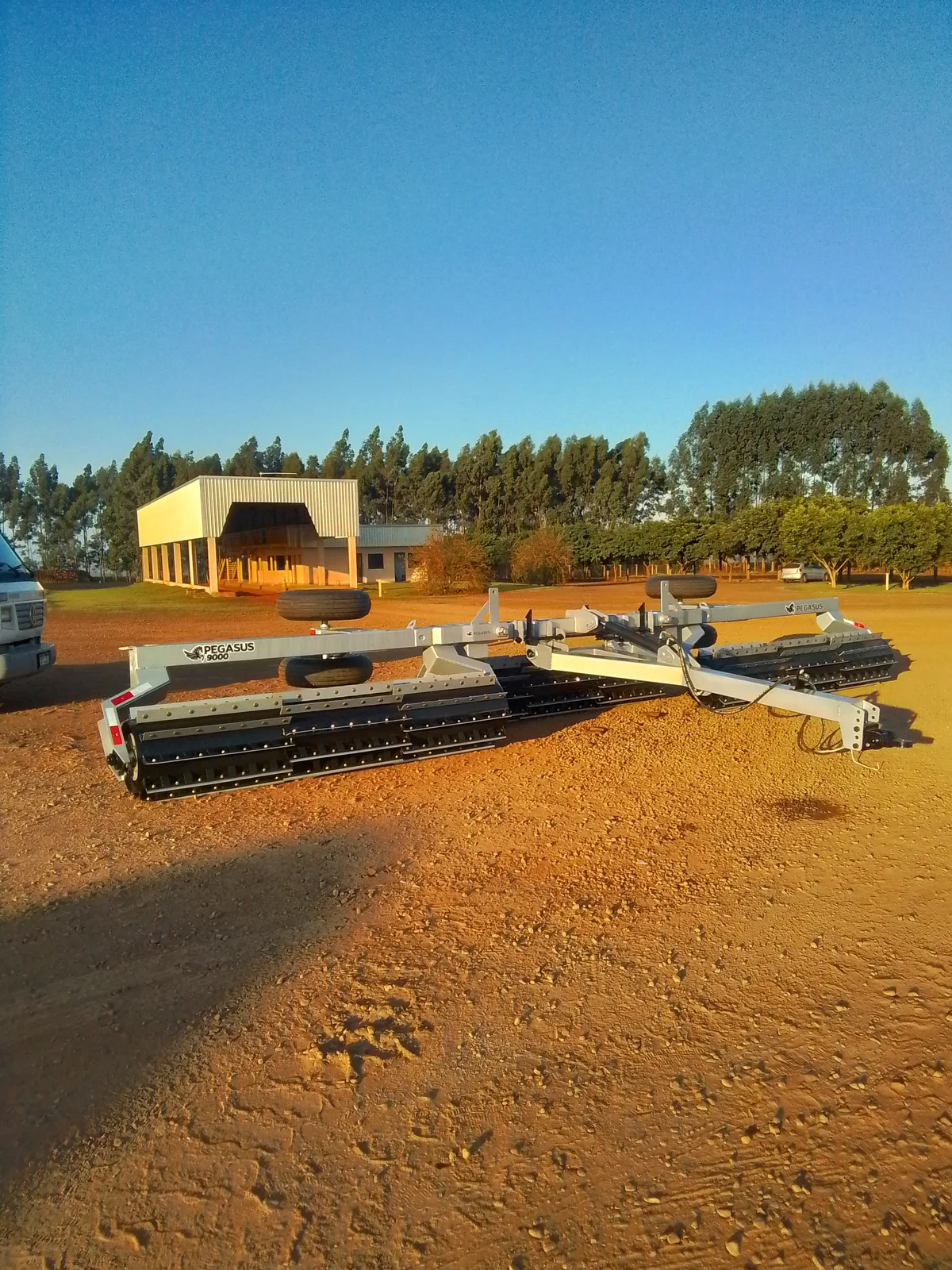
Choosing a knife roller involves more than comparing model widths. Consider the complete combination of operation, tractor, vegetation and management objective.
1. Start with available tractor power
Each model has a recommended power range. The tractor also needs compatible hydraulics, weight and configuration. Confirm the final combination with the sales team and seek technical advice when needed. Catalogue power figures expressed in CV are metric horsepower, which differs from mechanical hp.
2. Compare width and field capacity
A wider implement can increase field capacity, but it also changes power requirements, transport needs, turning space and farm logistics. Catalogue capacity figures are reference values and depend on actual operating conditions.
3. Assess the vegetation to be managed
Species, biomass, growth stage and moisture can affect the result. The right timing is not the same for every cover crop.
4. Consider terrain and transport
Assess slopes, access tracks, gates, internal roads, travel distances and transport width. The Pegasus range includes towed models with integrated transport wheels; check the specific dimensions of each implement.
5. Ask for a comparison based on your conditions
Before choosing, gather the tractor model and power, approximate area, cover crop, terrain and preferred width. These details make the sales discussion more useful.
This article provides initial guidance. The final recommendation depends on farm conditions and equipment configuration.